

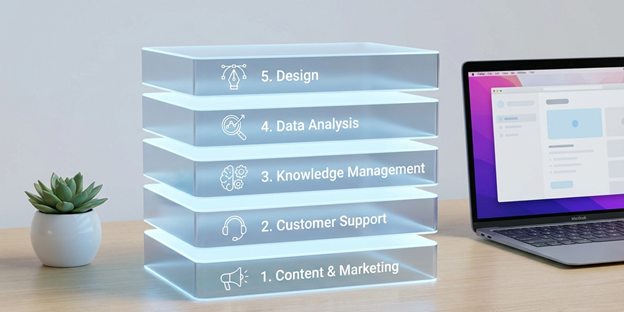
The Essential AI Productivity Stack
For the bootstrapped entrepreneur, the promise of Artificial Intelligence (AI) is a double-edged sword. Headlines scream of revolutionary potential, yet the reality is often a paralyzing mix of complex platforms, staggering costs, and uncertain returns. This disconnect fuels the central challenge for small business owners: how to build an AI productivity stack that delivers genuine value without consuming precious capital or time.
This guide moves beyond the hype to define a practical, actionable AI productivity stack, a curated suite of tools designed to automate key operations, enhance decision-making, and free founders to focus on strategic growth, all while aligning with the resource-conscious ethos of bootstrapping.
Why a Strategic AI Stack Beats Ad-Hoc Tool Adoption
An AI productivity stack is not a random collection of apps. It is a strategic framework. For a business operating with limited runway, whether funded by savings, careful revenue reinvestment, or alternative models like asset-based business support, every tool must justify its place by solving a specific, high-impact problem. The aim is not to chase the latest technology, but to systematically eliminate bottlenecks in marketing, sales, operations, and content creation.
The wrong approach of signing up for every AI tool with a free trial led to wasted time, fragmented data, and what experts call “productivity sprawl.”
A deliberate stack, however, creates a compound effect where integrated tools work in concert, turning time savings into a tangible competitive advantage.
The Core Principles of a Bootstrapper’s AI Stack
Before exploring specific tools, your AI productivity stack must be built on three non-negotiable principles:
- Cost Predictability: Tools should have transparent, scalable pricing. Favor flat-rate subscriptions or generous free tiers with clear upgrade paths. Unpredictable, usage-based costs can sabotage a tight budget.
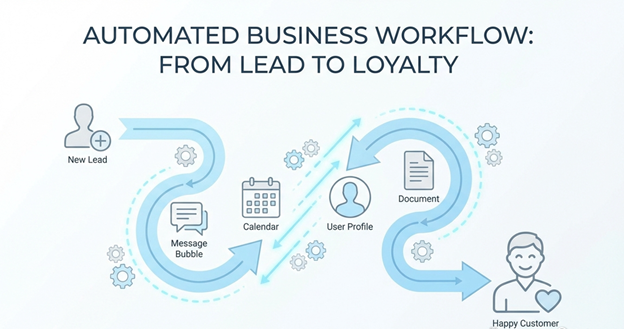
- Integration Capability: The true power of a stack is unlocked when tools share data. Prioritize tools that connect via native integrations or platforms like Zapier, creating automated workflows that replace manual tasks.
- Low Learning Curve: The time-to-value must be short. If a tool requires weeks of training to use, it’s a drain on your most valuable resource: your focus. The best tools feel intuitive and deliver immediate utility.
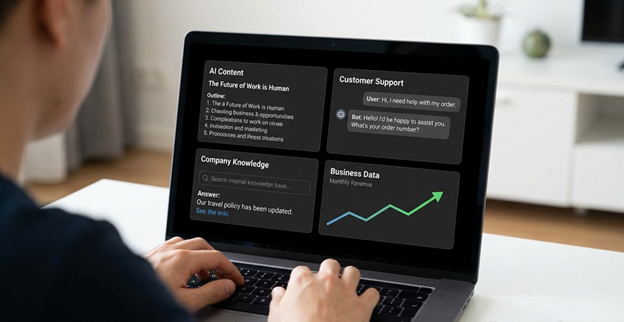
The Essential Five-Layer AI Productivity Stack
Based on these principles, here is a lean, powerful five-layer framework for your AI productivity stack. Each layer addresses a universal business function.
Layer 1: Content & Marketing Intelligence
For bootstrapped businesses, content is king, but creation is the bottleneck. This layer tackles ideation, writing, and optimization.
- The Need: Consistently generating high-quality blog posts, social media copy, and email newsletters that resonate with your audience.
- Tool Philosophy: Use AI as a force multiplier for your expertise, not a replacement. It should help you research, outline, and draft faster.
- Sample Tool & Application: A platform likeJasperorCopy.ai. Use it to overcome blank-page syndrome by generating blog post outlines based on a keyword, creating multiple versions of ad copy for A/B testing, or repurposing a core article into a thread of social media posts. For those developing their foundational strategy, exploring principles for building a sustainable business model can provide useful context.
Layer 2: Customer Interaction & Support
Customer experience is a primary differentiator. This layer ensures you’re responsive and helpful without being on-call 24/7.
- The Need: Providing instant answers to common queries, qualifying leads, and booking meetings without manual back-and-forth.
- Tool Philosophy: Automate the repetitive to deepen the personal. Handle FAQs automatically so you can focus on complex, high-value interactions.
- Sample Tool & Application: An AI chatbot like Intercom’s Fin or Zendesk Answer Bot. Deploy it on your website to answer questions about pricing, features, or business hours. It can also qualify leads by asking key questions and booking demos directly to your calendar, ensuring no opportunity slips through.
Layer 3: Internal Operations & Knowledge Management
As you grow, institutional knowledge gets scattered across emails, docs, and messages. This layer centralizes intelligence.
- The Need: Quickly finding past decisions, project details, or company data without hunting through disconnected systems.
- Tool Philosophy: Create a single, searchable source of truth that learns from your company’s own data.
- Sample Tool & Application: An AI knowledge base like Guru or Notion AI. These tools can connect to your Google Drive, project management apps, and communication platforms. You can ask in plain language, “What were the key takeaways from our last platform architecture discussion?” and get an instant summary from meeting notes and related documents.
Layer 4: Data Analysis & Business Intelligence
Data-driven decisions are crucial, but most small business data sits unused in spreadsheets. This layer makes it accessible.
- The Need: Understanding cash flow trends, marketing ROI, or sales pipeline health without being a data scientist.
- Tool Philosophy: Democratize data insights. Ask questions of your data in natural language and get visual answers.
- Sample Tool & Application: A tool like Microsoft Power BI or Ajelix. Connect them to your accounting software (e.g., Xero), CRM (e.g., HubSpot), and advertising platforms. You can ask, “Show me our monthly customer acquisition cost for the last quarter,” and receive an automated chart, helping you make informed decisions about where to allocate your business resources.
Layer 5: Design & Visual Communication
Professional visuals build trust, but professional designers are a major expense. This layer empowers you to create quality visuals in-house.
- The Need: Producing logos, social media graphics, presentation decks, and basic marketing materials that look polished.
- Tool Philosophy: Leverage templates and AI guidance to achieve a professional standard, preserving funds for mission-critical custom design work.
- Sample Tool & Application: Canva’s AI suite or Adobe Firefly. Use them to generate initial logo concepts based on a text description, create branded social media templates, or effortlessly remove backgrounds from product photos. This maintains a cohesive visual identity as you scale.
Implementing Your Stack: A Phased, Sustainable Approach
The prospect of implementing five new tools is overwhelming. Do not do it all at once.
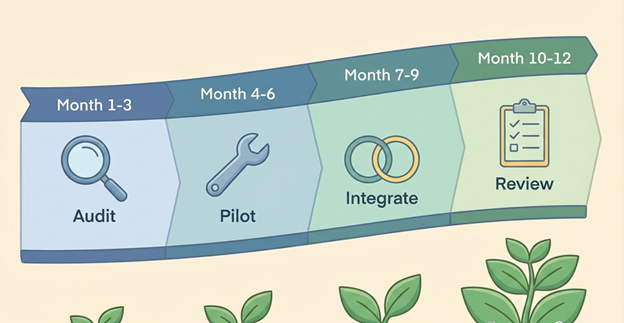
- Month 1: Audit & Prioritize. Identify your single biggest bottleneck. Is it creating content (Layer 1) or handling customer inquiries (Layer 2)? Start there.
- Month 2: Pilot Your First Tool. Choose one tool from your chosen layer. Commit to using it for its core function for 30 days. Measure the time saved or output gained.
- Month 3: Integrate & Add a Second Layer. Connect your first tool to your existing workflow (e.g., connect your AI content tool to your WordPress site). Then, pilot a tool from a second layer.
- Quarterly Review: Every three months, review each tool’s ROI. Has it saved time? Improved output? If not, cancel it. Your AI productivity stack should be a lean, results-driven engine.
The Strategic Impact: From Cost Center to Growth Lever
A well-implemented AI productivity stack fundamentally changes a bootstrapped business’s trajectory. It transitions technology from a confusing cost center to a clear growth lever. The hours saved each week on manual tasks are hours that can be reinvested into product development, customer relationships, or strategic planning.
This approach aligns perfectly with a mindset of efficient growth. Just as savvy founders seek to optimize capital expenditure by focusing on essential assets, they must also optimize their time and creative energy. An intentional AI productivity stack does precisely that, automating the predictable so you can focus on the creative and strategic work that only a human founder can do.
In the end, the most essential component of your AI productivity stack is not any single piece of software, but your own judgment in deploying it. Use these tools to extend your capabilities, protect your focus, and build a business that is not just productive, but profoundly resilient.
Frequently Asked Questions (FAQ)
Disclaimer: This article discusses technology tools for educational purposes. Mention of any specific tool is not an endorsement. Features, pricing, and performance can change. Always conduct your own research to find the best solutions for your specific business needs.